
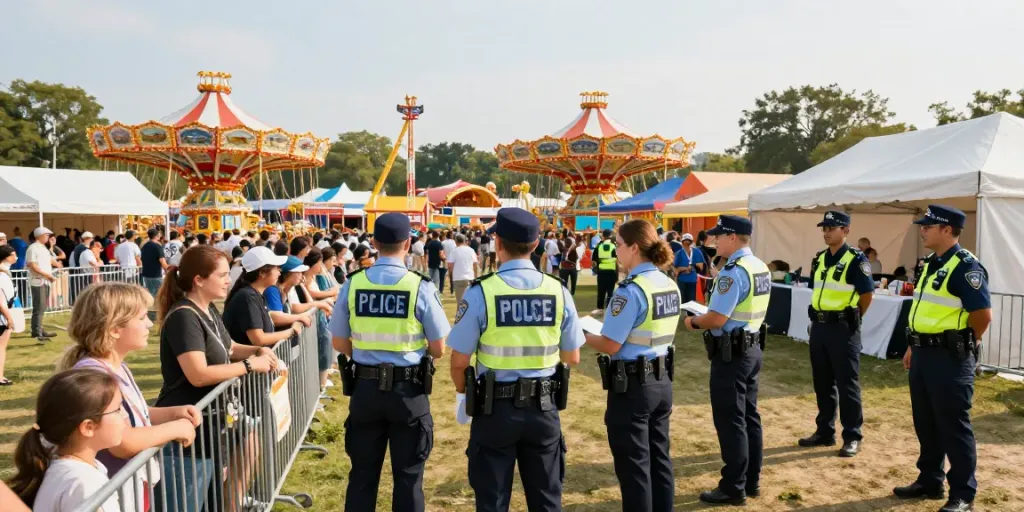
Understanding Event Security Services
In today's fast-paced world, ensuring the safety and security of events is paramount. Event security services play a crucial role in creating a safe environment for both attendees and organizers. From concerts and corporate gatherings to private parties and festivals, the presence of professional security not only mitigates risks but also enhances the overall experience. Engaging with a reliable provider, like Event Security, can ensure your event's success by focusing on both safety and enjoyment.
Types of Services Offered for Event Security
Event security encompasses a variety of specialized services designed to cater to different needs. Some key types of services include:
- Access Control: Managing entry points to ensure authorized access only.
- Crowd Management: Controlling and directing attendees to prevent overcrowding and chaos.
- Event Stewarding: Responsible for helping guests and ensuring compliance with safety procedures.
- Mobile Patrols: Regularly monitored areas via patrols to deter criminal activity.
- CCTV Surveillance: Real-time monitoring for enhanced security and incident response.
- First Aid Services: Providing medical assistance during events, if necessary.
Importance of Professional Event Security
Having professional event security is not just about mitigating risks; it's also about enhancing the attendees' experience. Trained security personnel play a vital role in:
- Creating a safe environment that boosts attendee confidence.
- Providing a rapid response to emergencies or conflicts.
- Maintaining order and ensuring compliance with regulations.
- Enhancing the overall professionalism of the event.
With professional event security in place, event organizers can focus on the logistics and execution of their gatherings with peace of mind.
Best Practices for Event Security Management
Effective event security management requires a proactive approach. Here are some best practices to ensure comprehensive security:
- Conduct a Risk Assessment: Identify potential risks specific to your event type and location.
- Develop a Security Plan: Create a detailed plan that outlines security personnel roles, emergency procedures, and communication protocols.
- Engage in Regular Staff Training: Ensure that all security personnel are trained on emergency response, customer service, and conflict resolution.
- Maintain Clear Communication: Establish communication lines among security staff, event organizers, and local law enforcement.
- Utilize Technology: Use surveillance cameras and other technological tools to enhance monitoring capabilities.
How to Choose the Right Local Provider for Event Security
Choosing a reliable event security provider can significantly influence the success of your event. It's essential to know what to look for to ensure you select the right company. Here are some key considerations:
Key Considerations When Hiring Event Security
When selecting an event security provider, keep these points in mind:
- Experience: Look for a provider with a proven track record in managing events similar to yours.
- References and Reviews: Seek testimonials from previous clients to gauge satisfaction levels.
- Training and Accreditation: Verify if the security personnel are adequately trained and hold necessary licenses.
- Response Times: Evaluate how quickly they can respond to incidents.
Evaluating Credentials and Experience
Always ask for documentation that proves the company's credentials and experience. Key aspects to consider include:
- SIA Licensing: Ensure that the security personnel hold valid licenses from the Security Industry Authority.
- Insurance: Make sure the company has liability insurance to cover potential incidents during the event.
- Operational History: Inquire about their operational history and experience in the event security sector.
Local Reputation and Client Testimonials
A robust local reputation is indicative of a reliable provider. Research the company's standing within the community by:
- Checking online reviews on platforms like Google or social media.
- Talking to past clients about their experiences.
- Reviewing any negative feedback and how the company responded to concerns.
Event Security Pricing Guide for Local Services
Understanding pricing structures for event security services can help you plan your budget effectively. Security costs vary widely based on several factors.
Factors Influencing Security Costs
Several elements can affect the pricing of event security, including:
- Event Size: Larger events that need more personnel will generally be more expensive.
- Location: Events in high-risk or urban areas may incur higher costs due to increased risk.
- Type of Security Services Required: Basic security is less expensive than specialized services, like armed security or comprehensive surveillance.
- Duration: Longer events will lead to increased labor charges.
Typical Pricing for Local Event Security
Below is a general overview of what you can expect to pay for local event security services:
Service TypeAverage Cost per HourBasic Security Guard£12 - £20Event Steward£10 - £15Close Protection Officer£30 - £50CCTV Surveillance£25 - £45Emergency Medical Services£20 - £35
Cost Comparisons: Event Security Options
When comparing security providers, be sure to evaluate the following:
- Available Packages: Some companies may offer bundled services at lower overall pricing.
- Competitive Quotes: Always obtain multiple quotes to ensure competitive pricing.
- Transparent Pricing: Ensure that any quoted prices include a clear breakdown of costs to avoid hidden fees.
Essential Licensing and Insurance for Security Companies
Compliance is a significant aspect of the event security industry. Understanding licensing and insurance requirements will help ensure that you're working with a reputable provider.
Understanding SIA Licensing Requirements
In the UK, the Security Industry Authority (SIA) regulates the security industry, ensuring that security personnel meet set standards. Here are some things to know:
- All security staff must possess a valid SIA license for their specific roles.
- Licensing requirements vary based on the level of security needed.
- Regular checks and audits by the SIA help ensure compliance and quality service.
Insurance Needs for Event Security Services
Having adequate insurance is crucial for event security companies. They should carry:
- Public Liability Insurance: To cover any mishaps that may occur during the event.
- Employers’ Liability Insurance: Mandatory for any business with employees, protecting against workplace injuries.
- Professional Indemnity Insurance: Covers defense costs and damages in case of negligence claims.
Regulatory Compliance in the Event Security Industry
Regular legislative changes and regulatory compliance are key for event security. All providers should stay updated on:
- Changes in licensing requirements through the SIA.
- Health and safety regulations under UK law.
- Event management best practices related to security.
Seasonal Trends in Event Security Management
Understanding seasonal trends in event security management can aid in planning and ensuring safety throughout the year. Certain periods see increased demand for event security services.
Preparing for Seasonal Events: How Demand Changes
During peak seasons or major calendar events, demand for security services intensifies. Organizers must prepare adequately for:
- Higher attendee volumes at festivals and public gatherings.
- Specific risks associated with seasonal events, such as holidays or concerts.
- Extended requirements for staffing and services during high-demand times.
Emergency Preparedness and Response Plans
Seasonal events often require more robust emergency preparedness plans. Security teams should:
- Conduct scenario planning exercises to practice responses to various incidents.
- Establish clear communication strategies with local authorities for rapid coordination.
- Ensure all staff are briefed on emergency procedures specific to the event type.
Creating Community Partnerships for Better Security
Building relationships with local law enforcement and community organizations can provide valuable resources to enhance event security. For more information, Event Security offers valuable insights. Consider:
- Collaborating on community safety initiatives.
- Engaging with local businesses for mutual support during events and in security provisions.
- Forming alliances with emergency services to develop joint response strategies.